
Jamie's wildlife gardening
wild rose bush in allotment garden © Jamie Smith
Don’t see weeds as a problem – every different plant will help a different creature and is part of the tapestry.
Be part of nature instead of fighting against it. That’s Jamie Smith’s approach to gardening and it’s rewarding him with a wealth of wildlife in his garden and allotment, from finches and frogs to butterflies and bats.
Who is it?
Jamie Smith, who lives in Kendal, grew up in a family of keen gardeners and nature enthusiasts. His degree in leisure and countryside management gave him a stronger awareness of the environment and challenges for nature, and his love of gardening and wildlife has endured through careers in hospitality and marketing. He is now writing a book on wildlife gardening.
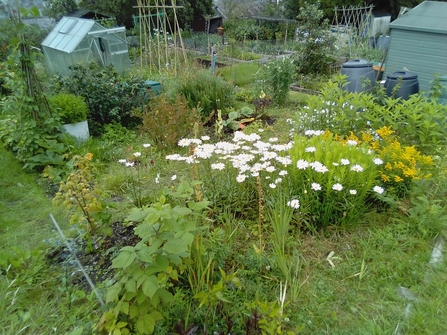
A wildlife friendly allotment garden © Jamie Smith
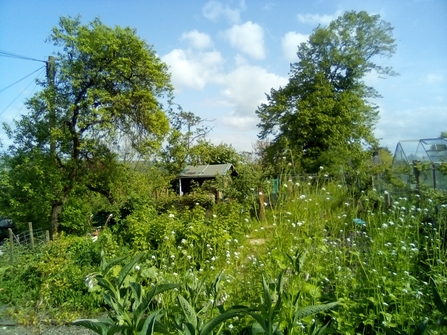
wild rose bush in allotment garden © Jamie Smith
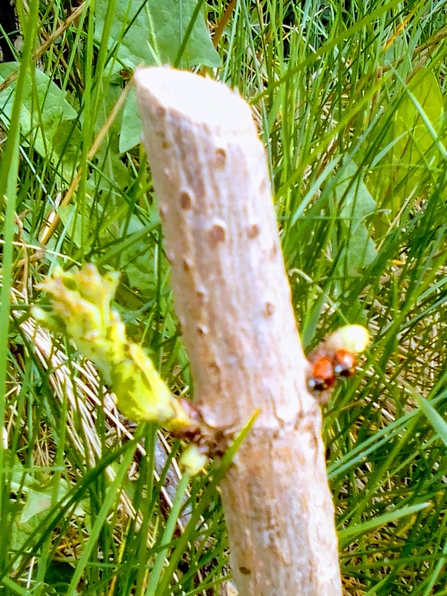
Tree bud and ladybirds © Jamie Smith
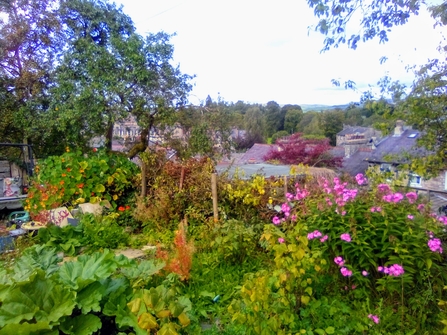
Wildlife friendly allotment garden © Jamie Smith
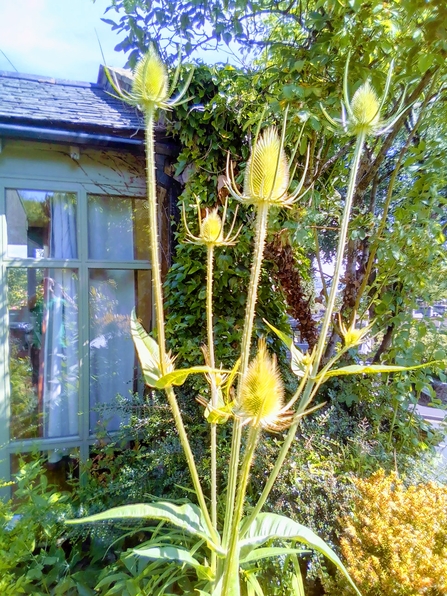
Teasel © Jamie Smith
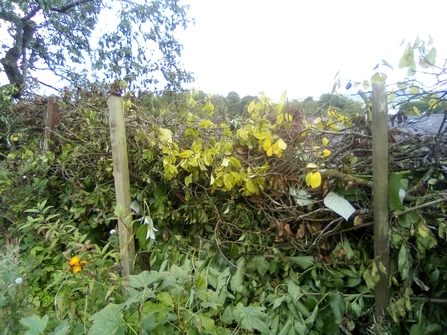
Dead hedge © Jamie Smith
What help did our Community Team provide?
Jamie had started to offer free wildlife gardening consultations to people because he wanted to encourage people who were keen to help the wildlife in their gardens.
Around the same time, he was working as a volunteer wildlife warden at Cumbria Wildlife Trust’s Smardale Nature Reserve near Kirkby Stephen – a role that has helped him to learn more about different aspects of nature that he can incorporate in his own garden and allotment.
“I got to do a few day courses on subjects such as fungi identification, and doing surveys on wildflowers,” said Jamie. “Those were really interesting and helpful.”
His latest volunteer role with Cumbria Wildlife Trust is writing the Wildlife Gardening e-newsletter which you can subscribe to here for the latest seasonal tips from Jamie, and look at our resources if you need a hand getting started with your own wildlife garden.
What was the outcome?
The action Jamie has taken in his allotment and garden shows what’s possible, and he loves to share what he’s learned.
“A wildlife garden is a low-maintenance garden,” he said. “Don’t see weeds as a problem – every different plant will help a different creature and is part of the tapestry. I’m letting nature and the species within it do their thing naturally.
When people work against nature – obsessive weeding, keeping every part of the lawn short just so it’s tidy – that’s high maintenance. Relax a bit. Enjoy observing the life you share your garden with. If you leave the leaves, they’re not going to break into your house and steal your wine overnight.”
"Creating an ecosystem starts with the little things. If you leave a pile of logs, fungi develops, the invertebrates come and make homes and eat them, then the next creature up the food chain comes to the area to feast and make a home - such as a frog or bird - and so it continues."

