7 ways for you to help red squirrels this Red Squirrel Awareness Week

7 ways for you to help red squirrels this Red Squirrel Awareness Week

Mark Hamblin/2020VISION

7 easy ways you can help red squirrels this Red Squirrel Awareness Week

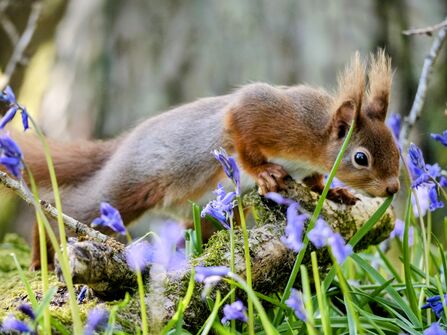
Red squirrels are one of Britain’s most recognisable native mammals, but spotting one is becoming increasingly rare. Once widespread across Britain, they are now endangered in England, and Cumbria is one of the remaining strongholds. 

This Red Squirrel Awareness Week, we explore seven simple ways everybody can help red squirrel recovery.
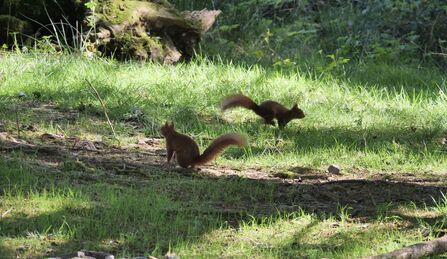
1. Report what you see

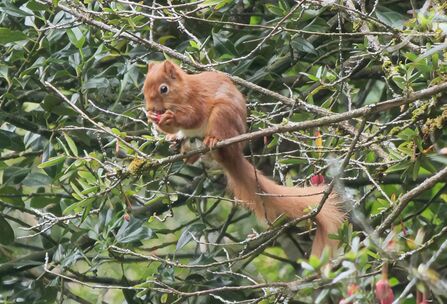
Spotted a squirrel? Reporting sightings of both red and grey squirrels are important. 

This helps conservationists understand where squirrels are being seen, track changes over time and identify areas where further work is needed.

A sighting from your local park, garden, or woodland can be useful information. Take a moment to report it.

2. Know the signs of squirrelpox 

Squirrelpox is a serious disease affecting red squirrels today. When present, red populations can decline between 17 and 25 times faster than through competition alone. Grey squirrels carry the virus asymptomatically, but when passed to reds, it is usually fatal.

Signs of sick squirrels include swelling, scabs, lesions around the eye, nose, mouth and paws. They may also appear lethargic and behave unusually approachable. 

Learning these signs and contacting the appropriate red squirrel group or organisation helps us to respond promptly and appropriately.

3. Be squirrel-smart when feeding wildlife

Seeing a red squirrel visit your garden can be an exciting experience, however feeders can become hotspots for disease, bringing animals into unusually close contact.

Feeders should be disinfected regularly to reduce risk, but if both red and grey squirrels visit your garden, feeding should be stopped to protect red squirrels from getting sick.

We recommend avoiding feeders and instead encouraging red squirrels to enjoy your wild garden through planting shrubs and trees with nuts and berries.

4. Slow down for squirrels

In areas without squirrel pox, road collisions are often the leading cause of red squirrel mortality.

Squirrels often need to move between areas of woodland and other habitat, which can mean crossing roads along the way. Always drive carefully, especially near woodland where red squirrels are present. 

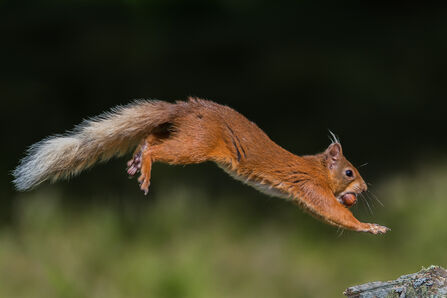
Reducing your speed gives wildlife more time to react, and you may even enjoy the sight of a red squirrel whilst you do.

5. Make space for wildlife 

Red squirrel recovery isn’t only about protecting animals. They also need healthy habitats where they can find food, shelter and safe places to raise their young.

Planting suitable native trees and shrubs, supporting woodland conservation, or getting involved with a local habitat project are all ways to help wildlife where you live.

At a larger scale, protecting and connecting woodland is important too. Connected habitats allow squirrels and other species to move through the landscape rather than becoming isolated in small pockets.

6. Support your local red squirrel group

Cumbria has 14 northern red squirrel groups and many others covering most of the county. Their dedication has played a huge part in protecting the red squirrels that remain here. 

Whether you can help with events, monitoring, fundraising, or offer more specialised skills, there is a place for everybody in red squirrel recovery.

You don’t have to commit your time to get involved. Sharing information, donating, and reporting sightings are all small but vital ways people can get involved.

Every group is different, so find out what support would be most useful in your local area.

7. Spread the word

Red squirrels are well loved, but many people may not realise the pressures they still face or the amount of work taking place to protect them.

Talking about red squirrel conservation, sharing knowledge, supporting local projects, and encouraging others to report sightings help keep the species and the challenges they face in people’s minds.

Awareness alone won’t recover red squirrel populations, but an informed and supportive public is an important part of long-term conservation efforts. 

Cumbria Wildlife Trust is a proud partner of the Red Squirrel Recovery Network, a landscape-scale partnership working to protect the future of red squirrels. This project is made possible by The National Lottery Heritage Fund, with thanks to National Lottery players.