Wildlife Garden at Cold Springs Community Nature Reserve

Wildlife Garden at Cold Springs Community Nature Reserve

We asked Ami, the Engagement Officer at Cold Springs Community Nature Reserve, about the new wildlife garden which has been Funded by National Highways Community Legacy Fund.

Community Gardening has become really popular in the last few years – and rightly so! 

The world is so fast now, taking the time to do something so slow, mindful and impactful is a wonderful feeling. Community gardens offer a beautiful space which people can feel is ‘theirs’, in what is often a built-up area. Those who contribute are offering something to their community and to the planet, as well as perhaps finding new friends, exercise, skills or just head space they might not have had before. Those who don’t volunteer still benefit from a place they can enjoy in any way they wish – it is rare to find a place or project that genuinely has the potential to be for everyone. 

While a community garden can be a big job, it is also popular and obviously valuable, making some of those huge hurdles - like finding the location or funding - seem a bit more manageable. No space is too small, and really, the less likely a space is the better. If your area doesn’t have a project like this and you’d like to start one, keep your eyes open for unloved and disused patches. The first space I worked on was literally a strip of grass on a curb in London, wedged between a garage and an electric terminal. It wasn’t more than 15m², but we loved it!

The Community Garden at Cold Springs has been Funded by National Highways Community Legacy Fund.
1. What are you most excited about in the Community Wildlife Garden?

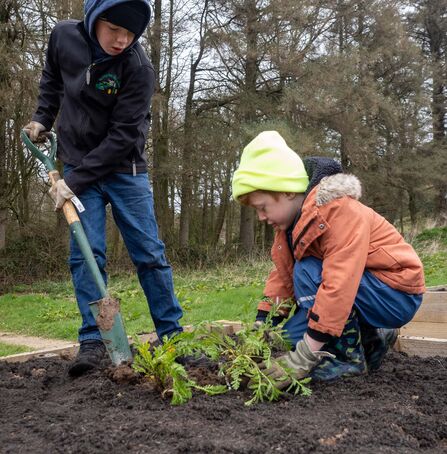
Every time we add something I am excited. The Cold Springs community garden has been designed and implemented by volunteers. This means there are loads of ideas and no experts, which leaves us working it out as we go along – that’s the most fun and brings us together even more. 

I also love it when I see people at Cold Springs using the garden – sometimes it is family members taking their elderly relatives for a stroll outside the nearby care home; sometimes it is young groups of friends chatting and listening to music. Some people sit and read, some people jog through – it is all relevant. It is so special to see something you have been part of creating being used by strangers. It makes you feel like you’ve done something hugely valuable. 

2. What steps are you taking to garden for wildlife?

The garden is designed around wildlife. The most important features are the native plants and the messy spots, like the long grass and nettle patches. Each time we come up with an idea, it’s fun thinking about it from all perspectives – how would a mouse use this? How would this help a bird? For example, we added a pond, but found the birds weren’t using it for fear of predators getting them while they were vulnerable. So we have now added a small raised pond too, with a stone right in the centre to perch on, so the birds can drink without fear of cats. 

3. What plants do you plan to have?

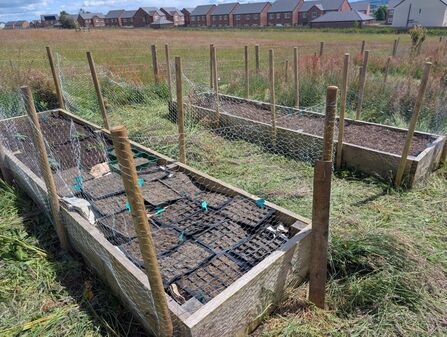
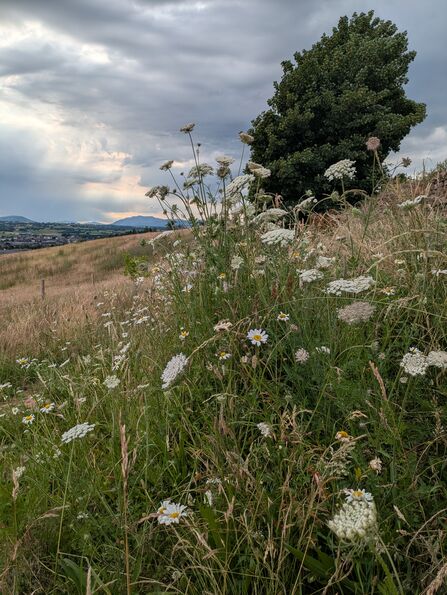
We have tried to put the right plants in the right places. For instance, we have a sunny, south-facing slope covered in mallow, chicory and valerian. We also have a damp and shady pond bank, now filled with violets, ferns and nettle-leaved bellflower. We also have some raised beds, which are good home for plants that spread, or more cultivated varieties like some stunning roses. They are all different heights too, which means different people can access them. 

4. What wildlife do you currently get in the garden?

We have been working on the garden less than two years but the wildlife is already moving in. Within two months the new pond had emperor dragonflies and smooth newts – both breeding! 

The resident swallows and house martins have been joined by goldfinches enjoying our newly planted teasels, and kestrels relishing the long grass. 

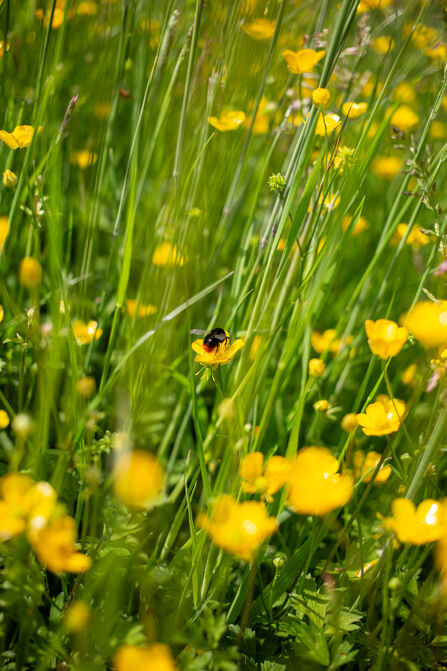
There are some wonderful minibeasts including the stunning green dock beetles and nursery web spiders, as well as six species of bumblebee. We have done moth trap events, bug bioblitzes and pond dipping to record everything as we go.  

5. Are there opportunities for people to get involved?

We would love to have you! There is always a range of things to do, so don’t worry if you have any restrictions or don’t have experience. We always need gardeners, DIY-whizzes and kid’s club leaders, to name a few. Check the Cumbria Wildlife Trust website for open volunteering days, or email Ami on amis@cumbriawildlifetrust.org.uk if those days don’t work, and we’ll get you involved elsewhere! 

6. What are your future plans for the wildlife garden?

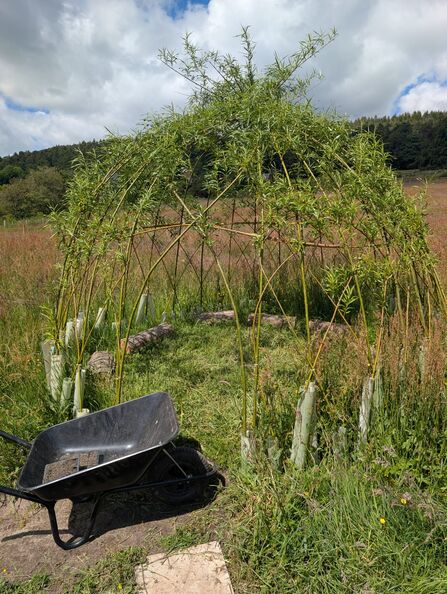
The Wildlife Garden has a design made by a volunteer that we are roughly following. However, I expect the space will continue to grow as new people get involved with fresh ideas. It is always a work-in-progress as we learn more abut gardening, and see what works and what the wildlife loves too. Every gardener knows part of the joy is the ongoing growth, so we’ll see where it takes us. This winter we want to extend the hedge and add a raised pond, so that people with less mobility can peer in to the underwater world, and birds can have a drink safely away from cats. 

I hope the space is well used by many people enjoying the colours, scents and space for peace.