
Community kitchen garden created at Carlisle Healthcare South
I’ve always enjoyed being outdoors and feeling connected to nature, so helping to create more attractive surroundings at the surgery through gardening was an easy decision.

The recently built GP Surgery, in Durranhill Industrial Estate, off Eastern Way in Carlisle had a few nods to nature already as part of an NHS Forest project with staff adding bird boxes, planting trees and leaving some areas for wildlife.
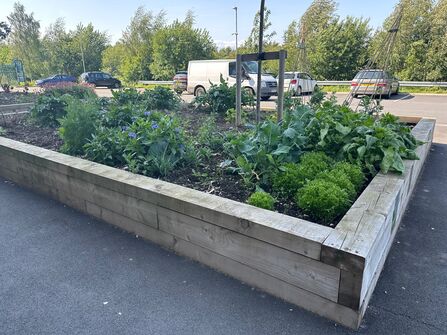
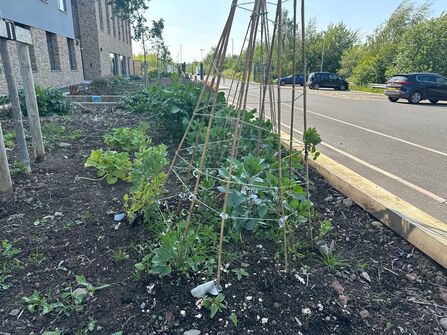
The entrance also featured six huge, raised planters which unfortunately had been left to go wild in all the wrong ways. Each one had an assortment of overgrown and difficult to manage vegetation that wasn’t doing much for wildlife or creating a particularly warm welcome for patients.

Catherine began to wonder what possibilities might be hiding in the weeds and, together with her colleague Debbie Docherty, started asking questions like: What if the raised beds could become useful?; What if the spaces around Carlisle Healthcare could be welcoming for both people and wildlife?
Slowly, the idea of a kitchen garden, designed for the good of the community, began to take shape.
Catherine explained: “I’ve always enjoyed being outdoors and feeling connected to nature, so helping to create more attractive surroundings at the surgery through gardening was an easy decision. Gardening and being outside brings countless benefits, from caring for the local area, looking after wildlife and improving wellbeing to the sense of community that comes from working alongside others.”
Initially, they both reached out to Cumbria Wildlife Trust for some guidance. Before long, they were also collaborating with their Community Development Team, Incredible Edible, Groundwork and seasoned allotment volunteers.
Together, they sketched out ideas for how to work with the tricky, poor‑quality soil and how to make the huge raised beds functional.
As the planters were so large, accessibility became a real consideration as the centres of each raised bed were simply out of reach for most people. Rather than seeing it as a problem, they turned it into an advantage.
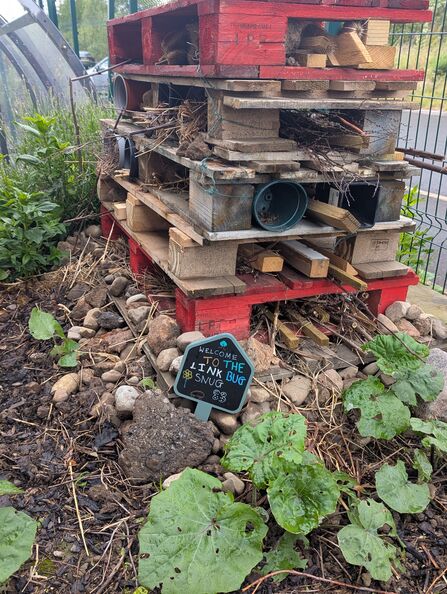
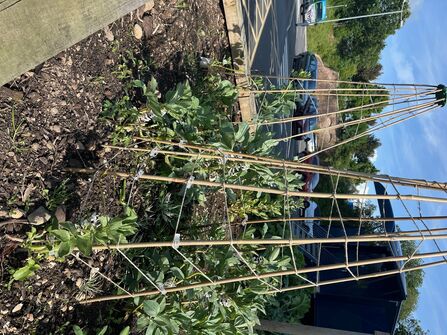
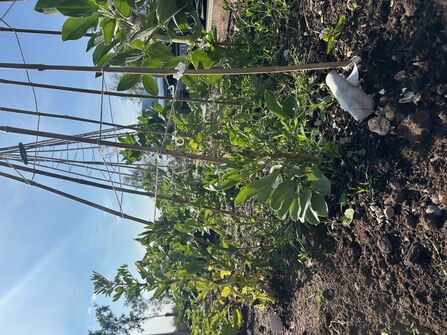
Those untouched central zones would become miniature wildlife havens, complete with bug hotels and log piles. Around the edges, where hands could easily reach, they planned to grow herbs, vegetables, fruits, and flowers for anyone to admire… or even take home.

To kick start the redevelopment The Rebuild Site and Groundwork donated materials like pallets, drainpipes, seed trays, plant pots, compost and even some surplus seedlings.
Gradually, colleagues and patients joined in too, bringing along unwanted water butts and an assortment of perennial and annual plants for the raised beds.
The charity Groundwork then brought along a group of young people from Barnardo’s for a day of constructing a ‘minibeast mansion’, planting seeds and learning about bugs.
Becky Seaton, Barnardo’s LINK Practitioner in Carlisle said: “It was such a wonderful, joyful, uplifting day and a beautiful way to support the emotional wellbeing of the young people at LINK. There was so much magic created from being outdoors together.”

The 1st Wetheral Brownies, who have a strong outdoor ethos running through their weekly programme, also visited Carlisle Healthcare to observe nature on site, litter pick, help tend to the flowers and look after the sapling trees in the recently planted NHS forest. One of the Brownies said: “I felt proud to be a part of helping sick people feel better by looking after the flowers and making sure the trees grow strong.”
Once the seedlings and plants began to establish, Debbie and Catherine headed out most days to water, weed and care for them. Debbie explained: “People would often stop and explain to us how they were enjoying seeing the raised beds develop throughout the summer.
“We also approached NJ’s café, who are based at Carlisle Healthcare, and they got involved by emptying their waste coffee grounds on the beds. This helped meaningfully boost soil health and support plant growth as well as supress some of the weeds.”

This year, Debbie and Catherine hope to encourage more of their colleagues and patients to join them, Debbie explained: “We’re really eager to show that just 10 minutes of getting your hands in the soil can have wonderful benefits for your wellbeing.”
The project continues to grow and develop. Last year Debbie was supported by her employers at Carlisle Healthcare to attend an eight-week wildlife gardening course at Cumbria Wildlife Trust, helping her deepen her knowledge and strengthen the future of the project.
Judges from Cumbria in Bloom were also impressed, not just by the planting so far, but by the collaboration and community spirit behind it.
More recently Debbie and Catherine presented the story of their journey so far to peers at a Food Cumberland Event. The event enabled them to meet with other people and community groups who are involved in projects such as community cooking, affordable food projects, food shares, allotments, and gardens.

Catherine and Debbie’s dedication to the project has highlighted that no matter how small and unruly a space is - nature can really bring people together in meaningful ways.
This includes having a positive impact on mental and physical wellbeing, whilst also supporting the environment. They both agreed that it has been challenging venture but there is a huge determination to keep the momentum of this Wilder Cumbria project going, to continue its positive impact on environment, patients, staff and the wider community.


